At a Glance
Kinetic energy is the energy an object has because it is moving, and faster or heavier things have more. Potential energy is stored energy, like a ball held up high or a stretched rubber band. When something falls, its stored potential energy turns into kinetic energy.
- Kinetic energy
- Energy of motion
- Potential energy
- Stored energy, waiting to be used
- More kinetic energy
- Moving faster or having more mass
- More potential energy
- Higher up, or stretched or squeezed more
- Unit
- Joule (J)
On this page
What Is Energy?
Energy is the ability to make things happen. It makes things move, light up, warm up or make sounds. You use energy from food every time you run, talk or think.
Energy comes in many forms, like heat, light and sound. You can read about them on our energy for kids page. Two of the most important forms are kinetic energy and potential energy.
Scientists measure energy in units called joules. Lifting a small apple up about one meter takes roughly one joule.
What Is Kinetic Energy?
Kinetic energy is the energy of motion. Anything that moves has it. A rolling skateboard, a flying soccer ball and a running dog all have kinetic energy.
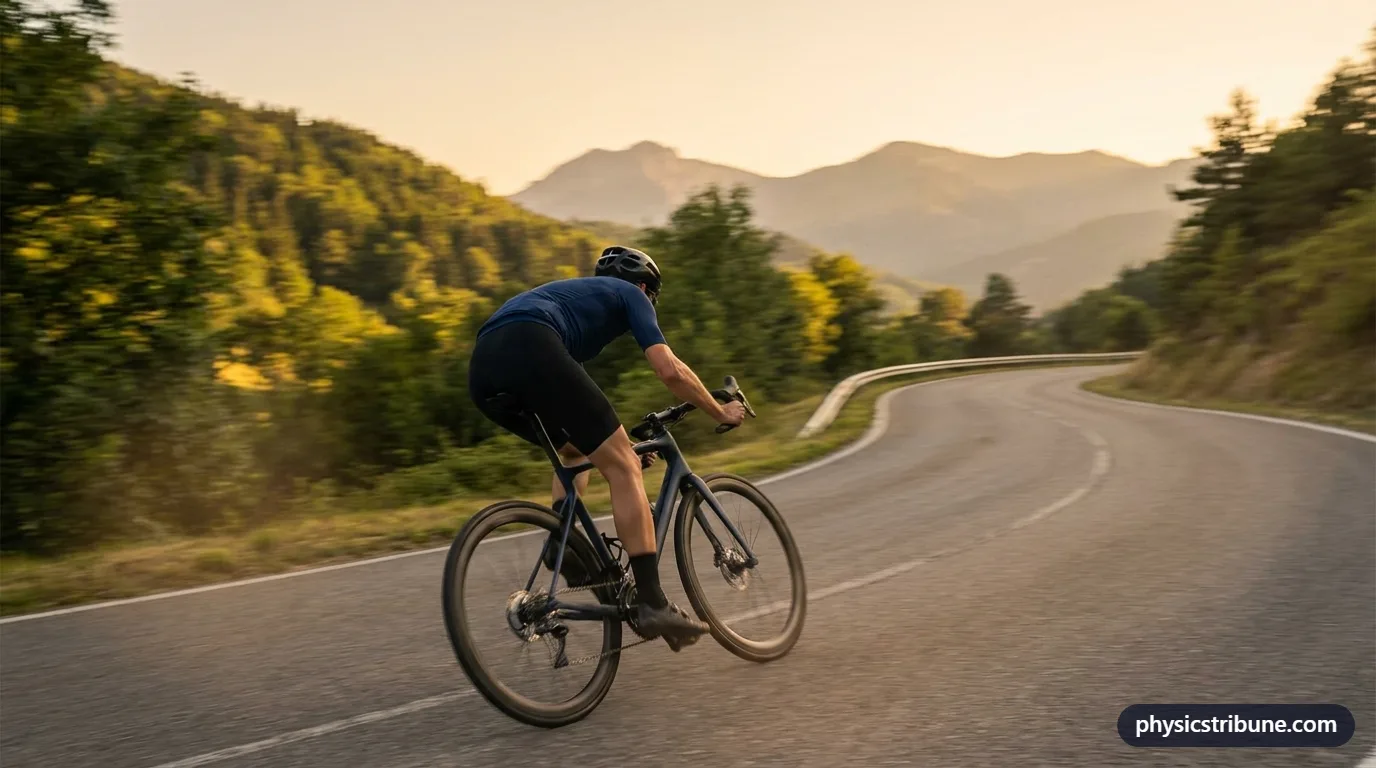
Two things decide how much kinetic energy something has. The first is speed. A fast bike has much more kinetic energy than a slow one. The second is mass, so a heavy truck has more than a light car at the same speed.
Speed matters a lot. If a bike goes twice as fast, it has four times the kinetic energy. That is why fast crashes are so much harder than slow bumps.
| Speed | Kinetic energy | Compared with the slowest |
|---|---|---|
| 1 meter per second (slow walk) | 20 joules | 1 time as much |
| 2 meters per second (fast walk) | 80 joules | 4 times as much |
| 3 meters per second (jog) | 180 joules | 9 times as much |
| 4 meters per second (easy bike ride) | 320 joules | 16 times as much |
| 5 meters per second (fast bike ride) | 500 joules | 25 times as much |
| Source: Computed with kinetic energy = 1/2 × mass × speed × speed, for a mass of 40 kg · Retrieved October 2026 | ||
What Is Potential Energy?
Potential energy is stored energy. It is ready to turn into motion later. Think of it as energy waiting for its turn.
Height stores energy. A book on a high shelf has more stored energy than a book on the floor. If it falls, that energy turns into motion. Scientists call this gravitational potential energy because gravity supplies the pull.
Stretching and squeezing store energy too. A pulled-back rubber band, a wound-up toy and a squished spring all hold potential energy. Food and batteries store energy in a chemical form.
How Do Kinetic and Potential Energy Swap?
Energy can change from one form to another. Picture yourself on a swing. At the top of each swing, you stop for a moment. You are high up, so you have lots of potential energy and almost no kinetic energy.
As you swoop down, you speed up. Your stored energy turns into motion energy. At the bottom, you are fastest and have the most kinetic energy. Then you climb again and slow down, turning motion back into stored energy.
Roller coasters work the same way. A chain lifts the cars up the first big hill to give them stored energy. After that, the ride just trades height for speed again and again.
Where Does the Energy Go When Things Stop?
Energy is never destroyed. It only changes form. Scientists call this the conservation of energy.
So why does a swing slowly stop if nobody pushes? Some energy turns into heat from friction at the chains. Some goes into pushing air out of the way. A little becomes the creaking sound.
The energy is still around, just spread out as warmth and sound. That is why you need to pump your legs to keep swinging high.
Try It at Home: Does a Higher Drop Give a Bigger Bounce?
You need a bouncy ball, a hard floor and a wall you can mark with sticky notes. Ask an adult which wall to use.
- Hold the ball next to the wall at knee height and let it drop.
- Have a helper mark how high it bounces.
- Now drop it from waist height and mark the bounce.
- Finally, drop it from shoulder height.
- Compare the three bounce marks.
Higher drops give the ball more stored energy. More stored energy becomes more motion energy, so it bounces higher. Notice that it never bounces all the way back up. Some energy becomes heat and the bouncing sound.

What Are Some Fun Facts About Kinetic and Potential Energy?
- Water held behind a tall dam stores huge amounts of potential energy for making electricity.
- A drawn bow stores energy in its bent wood, then gives it to the arrow.
- A cheetah at full speed carries more kinetic energy than a rolling bowling ball.
- Pole vaulters store energy in a bending pole to launch themselves upward.
- Wind is moving air, so wind turbines catch kinetic energy.
Common Misconceptions
Myth: A still object has no energy at all.
Physics: A still object can store potential energy. A rock resting on a cliff edge has stored energy because of its height.
Myth: Energy disappears when a ball stops bouncing.
Physics: The energy changes into heat and sound. It spreads out, so we stop noticing it, but it is still there.
Key Facts
- Kinetic energy is the energy of moving things.
- Potential energy is stored energy, like height or a stretched spring.
- Faster and heavier things have more kinetic energy.
- Higher things have more gravitational potential energy.
- Energy is never destroyed; it only changes from one form to another.
Quick Quiz: How Well Do You Know Kinetic and Potential Energy for Kids?
5 questions. Tap an answer to check it.
What kind of energy does a rolling ball have?
Anything that moves has kinetic energy.
Which book has the most potential energy?
Higher objects store more gravitational potential energy.
Where is a swing moving fastest?
At the bottom, the stored energy has turned into the most motion.
Which stores potential energy?
Stretching a rubber band stores energy in it.
When a bouncing ball stops, where did its energy go?
Energy is never destroyed; it turns into heat and sound.
Frequently Asked Questions
What is kinetic energy for kids?
Kinetic energy is the energy something has because it is moving. A rolling ball, a running kid and a flying bird all have kinetic energy. The faster something moves, the more kinetic energy it has. Heavier things moving at the same speed also have more of it.
What is potential energy for kids?
Potential energy is stored energy that is waiting to be used. A ball at the top of a slide has it because of its height. A stretched rubber band has it because it is pulled tight. When the ball rolls down or the band snaps back, the stored energy becomes motion.
What is the difference between kinetic and potential energy?
Kinetic energy is energy of motion, so it shows up when something moves. Potential energy is stored energy, so it can sit quietly in a still object. A good way to remember is that kinetic means moving and potential means waiting. The two often change into each other.
What are examples of kinetic and potential energy?
A sled at the top of a hill has potential energy. As it slides down, that becomes kinetic energy. A wound-up toy car stores energy in its spring and turns it into motion. Water behind a dam stores energy, and rushing water below it has kinetic energy.
Can something have both kinetic and potential energy?
Yes. A bird flying high above the ground has both. It has kinetic energy because it is moving. It also has potential energy because it is high up. A swing halfway down also has some of each, as stored energy turns into motion.
What unit is energy measured in?
Scientists measure energy in joules, written with the letter J. One joule is a small amount of energy. Lifting a small apple up about one meter takes roughly one joule. Food labels use a bigger energy unit called the Calorie instead.