
At a Glance
Physics questions answered here cover light and color, forces and motion, floating and pressure, sound, electricity, heat and the history of discovery. Each page gives a one-sentence answer first, then the reasoning, a diagram and links to the concept, formula and calculator pages behind it.
- What it covers
- Everyday why and how questions across all branches of physics
- Answer format
- Direct answer first, then the physics step by step
- Extras on each page
- Diagram, try-it-at-home idea where safe, FAQ
- Groups
- Light, motion, floating, sound, electricity, heat, history
- Level
- Middle school to high school, with deeper links
On this page
How Do We Answer Physics Questions?
Most physics questions start with something you have noticed: a red sunset, a ship that floats, a spark from a doorknob in January. Each page here begins with a one- or two-sentence answer you can take away right now. Below that, we walk through the physics in plain steps, show it in a diagram drawn from real values and point to the concept pages if you want the full theory.
Where it is safe, we add a quick experiment you can try at home with ordinary objects. We also check every number against reference data, so the speeds, temperatures and constants you read are the measured ones, not rough guesses.
| Topic | Example question | Main physics idea | Key relation |
|---|---|---|---|
| Light and color | Why is the sky blue? | Scattering is much stronger for short wavelengths | c = f λ |
| Rainbows and prisms | Why does a prism split light? | Refractive index depends on wavelength | n1 sin θ1 = n2 sin θ2 |
| Falling objects | Why do objects fall at the same rate? | Gravity gives every mass the same acceleration | F = m g |
| Rockets | How does a rocket work in space? | Action and reaction forces | Momentum is conserved |
| Floating | Why does a boat float? | Buoyant force equals the weight of fluid displaced | F_b = ρ g V |
| Fluid pressure | Why does pressure increase with depth? | The weight of fluid above presses down | P = ρ g h |
| Sound | Why can't sound travel in space? | Sound needs a medium to vibrate | v = f λ |
| Electricity | Why does a circuit need to be closed? | Charge needs a complete path to flow | V = I R |
| Heat | Why does metal feel colder than wood? | Metals conduct heat away from skin faster | Q = m c ΔT |
| History | Who discovered gravity? | Ideas built up across many scientists | F = G m1 m2 / r² |
| Source: Relations from our formula data set (data/formulas.json); grouping by our editorial team · Retrieved October 2026 | |||
Why Is the Sky Blue and Other Questions About Light
Light questions are some of the most asked. Start with why the sky is blue and its partner, why the sky turns red and pink at sunset; both come down to air scattering short wavelengths more strongly than long ones. Then see how a rainbow forms, why a rainbow is curved and why a prism splits light into colors.
The prism diagram below shows the key idea behind rainbows: glass bends violet light a little more than red light, so white light fans out into a spectrum. Other light questions include how light travels, why light slows down in water, how a mirror works, why a lens flips an image and why stars twinkle.

Questions About Forces, Motion and Flight
Motion questions often hide a famous law. Why objects fall at the same rate is Galileo's insight about gravity and mass. How a rocket works in space is Newton's third law at work, since the rocket pushes exhaust backward and the exhaust pushes the rocket forward, with no air needed.
How a plane flies brings in air pressure and the way wings turn airflow downward. Why a ball bounces is a story of stored elastic energy, and why a pendulum stops swinging shows friction and air resistance slowly draining that energy away.
Why Do Things Float? Questions About Fluids
Floating puzzles share one principle: a fluid pushes up on anything in it with a force equal to the weight of the fluid pushed aside. That explains why a steel boat floats, why ice floats on water and why helium balloons rise.
Related questions look at the fluid itself. Why pressure increases with depth explains the ache in your ears at the bottom of a pool, and why water expands when it freezes shows the unusual molecular structure that makes ice less dense than liquid water.
Questions About Sound, Electricity and Heat
Sound: learn why sound travels faster in solids, why sound cannot travel through space, why sound carries farther at night and why light outruns sound, which is why you see lightning before you hear the thunder.
Electricity: see how lightning forms, why birds on power lines are safe, why metals conduct, why a circuit must be closed and how electricity is generated.
Heat: find out why friction causes heat, why metal feels colder than wood at the same temperature, how a thermos works and why water boils at a lower temperature on a mountain.
Who Discovered It? Questions About Physics History
Many searches are about people rather than phenomena. These pages give a fair, short answer and credit the many contributors behind each idea, since few discoveries belong to one person alone. Start with who is called the father of physics, then who discovered gravity and who discovered the laws of motion.
For electricity and light, read who discovered electricity, who discovered electromagnetic induction and who first measured the speed of light. For modern physics, try who discovered the electron, who discovered radioactivity and who discovered relativity. Full life stories live in our physicists section.
All Physics Questions Answered (54)
 questionsCan Anything Travel Faster Than Light?
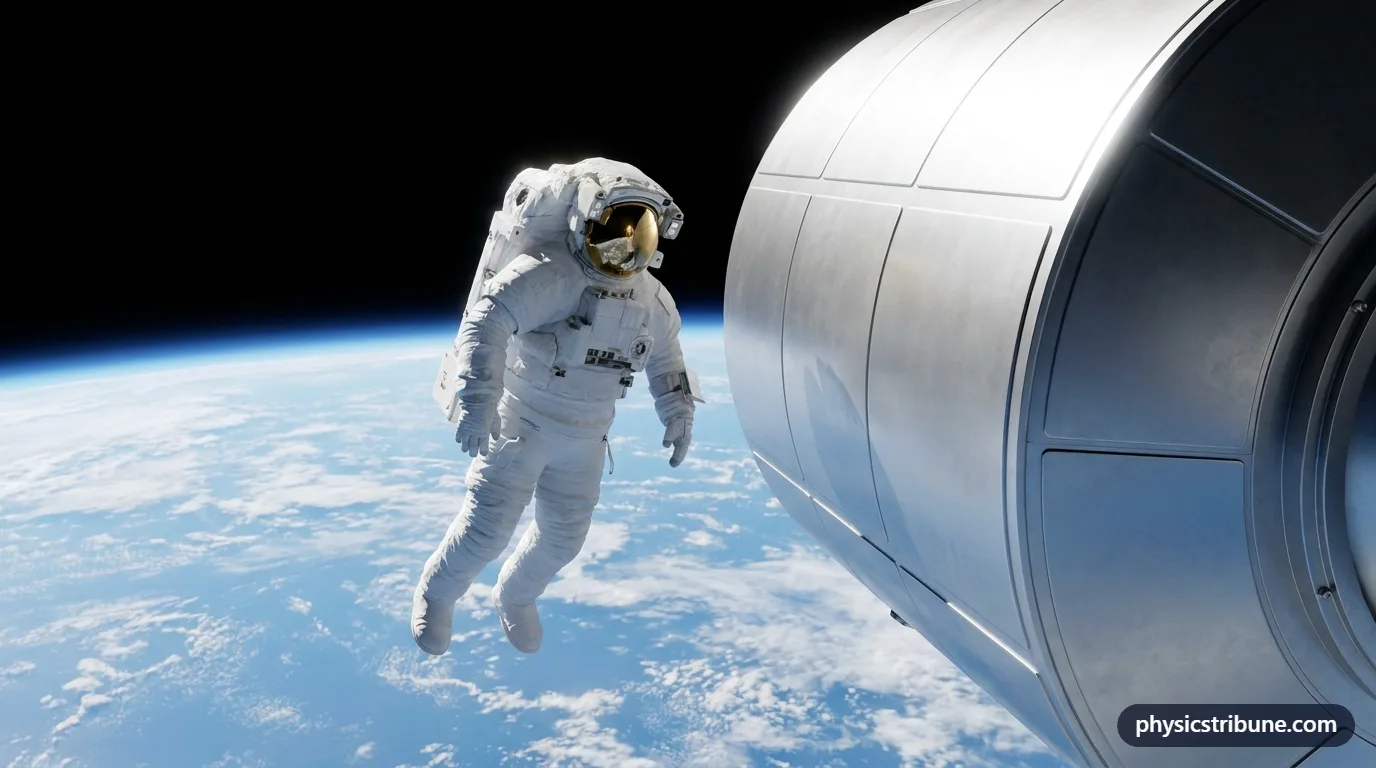 questionsWhy does sound not travel in space?
 questionsHow does a mirror work?
 questionsHow does a plane fly?
 questionsHow does a rainbow form?
 questionsHow does a rocket work in space?
 questionsHow Does a Thermos (Vacuum Flask) Work?
 questionsHow does light travel?
 questionsHow does lightning form?
 questionsHow is electricity generated?
 questionsWho discovered buoyancy?
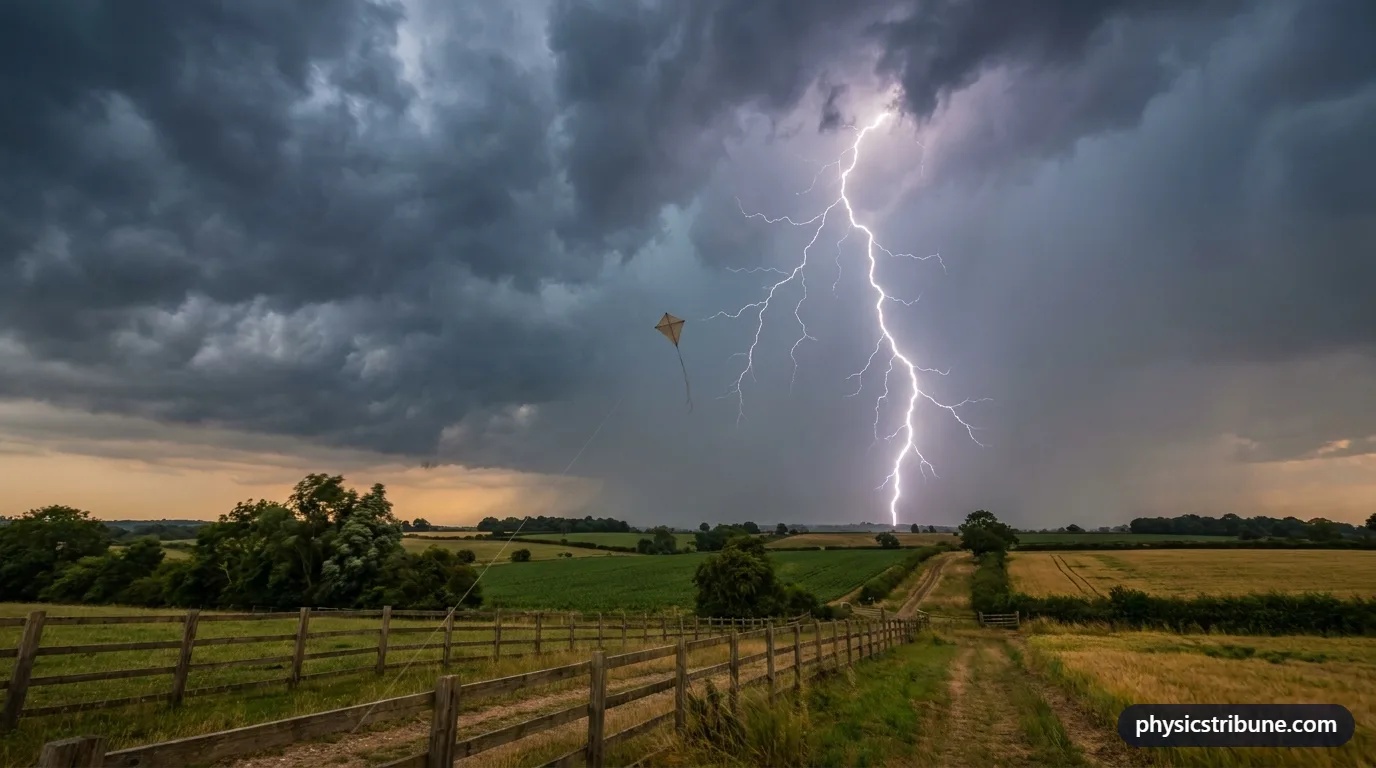 questionsWho discovered electricity?
 questionsWho discovered electromagnetic induction?
 questionsWho discovered gravity?
 questionsWho discovered infrared?
 questionsWho discovered magnetism?
 questionsWho discovered quantum mechanics?
 questionsWho discovered radioactivity?
 questionsWho discovered relativity?
 questionsWho discovered the electron?
 questionsWho discovered the laws of motion?
 questionsWho discovered the photoelectric effect?
 questionsWho discovered the speed of light?
 questionsWho discovered thermodynamics?
 questionsWho discovered x rays?
 questionsWho is the father of physics?
 questionsWhy do balloons float?
 questionsWhy do metals conduct electricity?
 questionsWhy do objects fall at the same rate?
 questionsWhy Do Stars Twinkle?
 questionsWhy does a ball bounce?
 questionsWhy does a balloon stick to the wall?
 questionsWhy does a boat float?
 questionsWhy does a circuit need to be closed?
 questionsWhy does a lens flip an image?
 questionsWhy does a mirror reverse left and right?
 questionsWhy does a pendulum stop swinging?
 questionsWhy does a prism split light?
 questionsWhy does friction cause heat?
 questionsWhy does ice float?
 questionsWhy does light travel slower in water?
 questionsWhy does light travel faster than sound?
 questionsWhy Does Metal Feel Colder Than Wood?
 questionsWhy does pressure increase with depth?
 questionsWhy does sound travel faster in solids?
 questionsWhy does sound travel further at night?
 questionsWhy does static electricity happen more in winter?
 questionsWhy Does Water Boil at a Lower Temperature at High Altitude?
 questionsWhy does water expand when it freezes?
 questionsWhy Don't Birds Get Shocked on Power Lines?
 questionsWhy is a rainbow curved?
 questionsWhy is gravity a theory and not a law?
 questionsWhy is the sky blue?
 questionsWhy does the sky turn pink at sunset?
Key Facts
- Every answer on these pages starts with a one- or two-sentence reply before the full explanation.
- The sky looks blue because air scatters short, blue wavelengths of sunlight much more than long, red ones.
- Objects fall at the same rate in a vacuum because gravity gives every mass the same acceleration.
- A boat floats when the water it pushes aside weighs as much as the boat and its load.
- Sound cannot cross empty space because it needs particles to carry the vibration.
- Light travels nearly a million times faster than sound in air, which is why thunder lags behind lightning.
- Most famous discoveries, from gravity to electricity, grew from the work of several scientists over many years.
Frequently Asked Questions
What are some interesting physics questions?
Popular questions include why the sky is blue, why ice floats, how a rocket moves in empty space, why heavy and light objects fall together, why birds on power lines are not shocked and why metal feels colder than wood. Each looks simple, but the answer reveals a deep principle, such as light scattering, buoyancy, Newton's third law or heat conduction.
How do you answer a physics question?
Start by naming the physical quantities involved, such as force, energy, pressure or wavelength. Then find the principle that connects them, for example conservation of energy or Newton's second law. Sketch a diagram, write the relevant formula, and check that your answer makes sense with units and with everyday experience. Our question pages follow this same pattern.
Why is the sky blue in simple words?
Sunlight contains every color. As it passes through the air, tiny gas molecules scatter short, blue wavelengths in all directions much more than long, red ones. So wherever you look in the daytime sky, blue light reaches your eye from all directions. Violet is scattered even more, but sunlight has less of it and our eyes are less sensitive to it.
Can sound travel in space?
No. Sound is a vibration passed from particle to particle in a medium such as air, water or rock. Space is close to a perfect vacuum, with far too few particles to carry that vibration, so an explosion out there would make no sound at all. Light and radio waves can cross space because they are electromagnetic waves that need no medium.
Who is known as the father of physics?
The title is given to different people depending on who you ask. Isaac Newton is often named because his laws of motion and gravitation founded classical mechanics. Galileo Galilei is also called the father of modern physics for his use of experiments and mathematics. Earlier still, Archimedes did important work on levers and buoyancy. Our dedicated page compares these claims.
Why do we see lightning before we hear thunder?
Light and sound leave the lightning bolt at the same moment, but light travels at nearly 300,000 kilometers per second while sound in air moves at only about a third of a kilometer per second. The flash reaches you almost instantly, and the thunder arrives seconds later. The longer the gap, the farther away the storm is.
Keep Exploring
questionsWhy is the sky blue?questionsHow does a rainbow form?questionsWhy does a boat float?questionsHow does a plane fly?questionsHow does a rocket work in space?questionsHow does lightning form?questionsWhy do objects fall at the same rate?questionsWho is the father of physics? physicistsFamous Physicists