At a Glance
Friction is a force that pushes against motion whenever two surfaces rub or slide past each other. Rough surfaces make more friction, and smooth or slippery surfaces make less. Friction also turns motion into heat, which is why rubbing your hands warms them.
- What it is
- A force that slows sliding or rolling things
- Which way it pushes
- Against the direction of motion
- More friction
- Rough surfaces like carpet, sandpaper, rubber
- Less friction
- Smooth or slippery surfaces like ice, oil, polished wood
- Side effect
- Makes heat
On this page
What Is Friction?
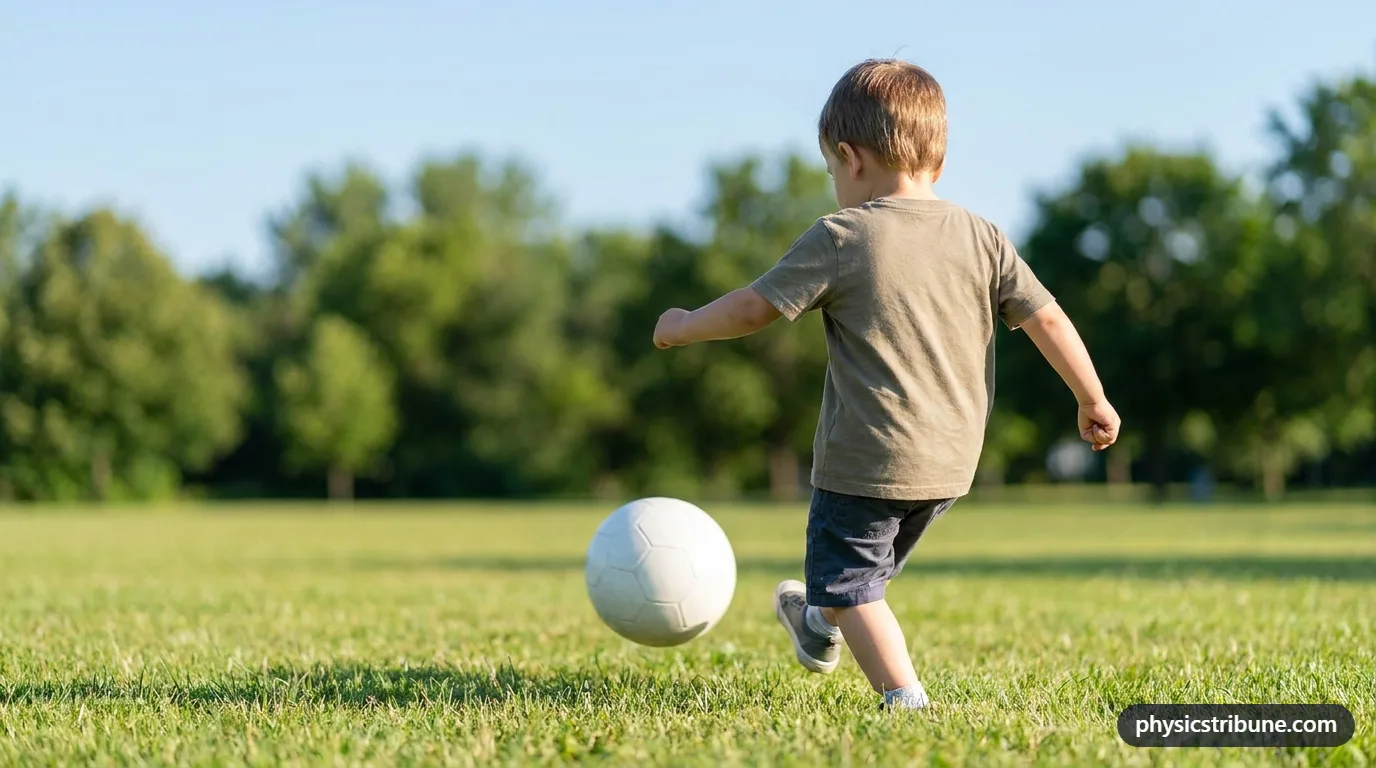
Give a ball a push across the floor. It rolls for a while, then slowly stops. Nobody grabbed it, so what stopped it? A force called friction did.
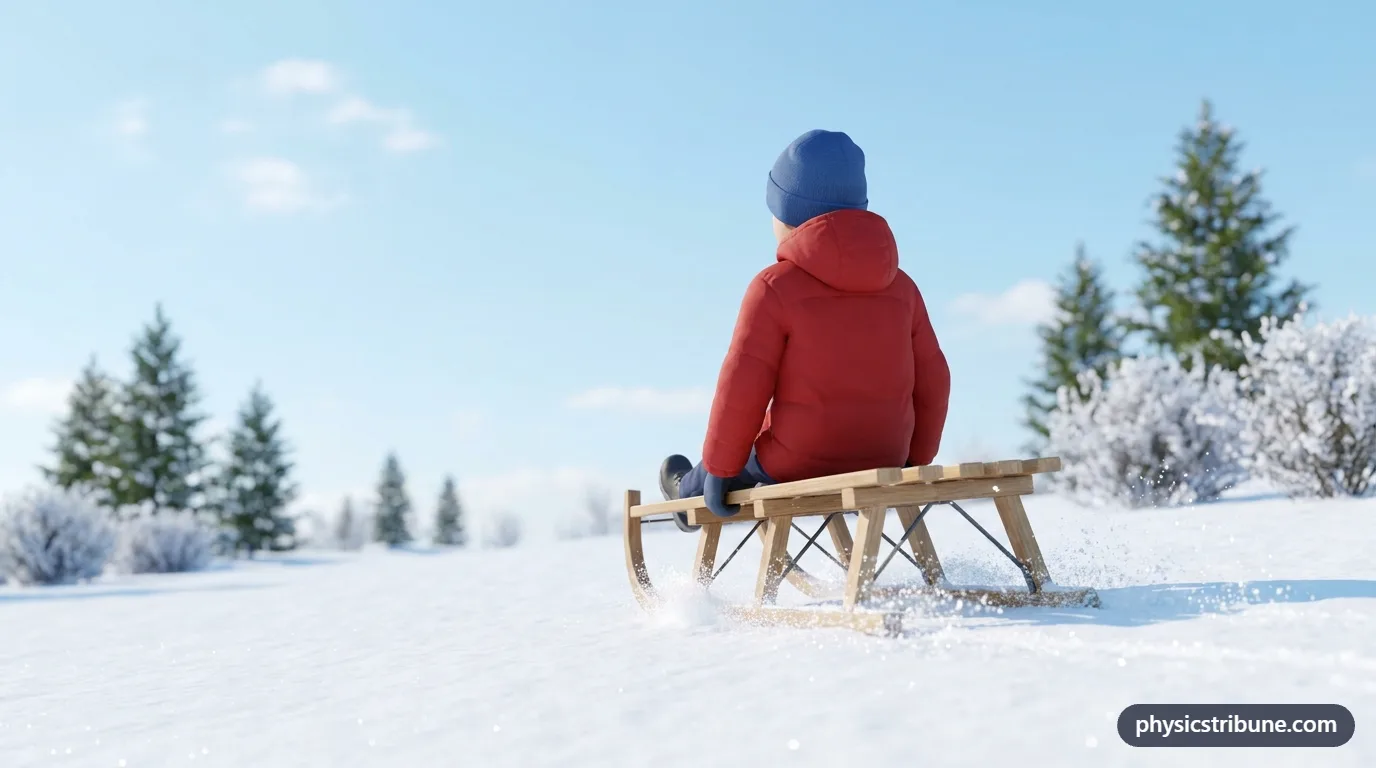
Friction happens whenever two surfaces touch and try to slide past each other. It always pushes the opposite way from the motion. So if a sled slides forward, friction pushes it backward.
Friction is one of the many pushes and pulls around us. You cannot see it, but you can feel it every time you rub your palms together.
Why Do Rough Surfaces Make More Friction?
Even things that look smooth have tiny bumps and dips. Under a strong microscope, a shiny table looks like a bumpy mountain range. When two surfaces touch, these bumps catch on each other.
Rough surfaces have bigger bumps, so they catch more. That means more friction. Sandpaper, carpet and rubber soles are all grippy for this reason.
Pressing two surfaces together harder also adds friction. Try sliding an empty box across the floor. Then fill it with books and try again. The heavy box is much harder to slide.
| Surface | How much friction | What you notice |
|---|---|---|
| Sandpaper | Lots | Things hardly slide at all |
| Rubber shoe on a dry floor | Lots | You can walk and stop without slipping |
| Carpet | Quite a lot | A toy car stops quickly |
| Smooth wooden floor | Some | A toy car rolls a long way |
| Oiled bike chain | Very little | The pedals turn easily |
| Wet ice | Very little | Feet and sleds slide easily |
| Source: Typical everyday values · Retrieved October 2026 | ||
When Is Friction Helpful?
Friction might sound like a pest, but life would be very hard without it. Here are some ways it helps every day.
- Your shoes grip the ground, so you can walk without slipping.
- Bike brakes squeeze the wheels to slow you down.
- Car tires grip the road to turn corners.
- Your fingers hold a pencil instead of letting it slide away.
- A rubbed match gets hot enough to light.
Imagine walking on a floor made of wet ice. That is what a world with almost no friction would feel like.
How Do People Make Friction Smaller?
Sometimes friction gets in the way. It wears out parts and wastes energy as heat. So people find clever ways to reduce it.
Wheels roll instead of sliding, which cuts friction a lot. Oil and grease make a slippery layer between moving parts in engines and bike chains. Smooth shapes help too, like the polished bottom of a sled.
Air and water also push back on moving things. That kind of friction is called drag. Fish, birds and race cars have sleek shapes to slip through more easily.
Why Does Friction Make Things Warm?
Rub your hands together fast for ten seconds. Feel how warm they get? That warmth comes from friction.
When surfaces rub, some of their motion energy turns into heat. The tiny bumps tug and shake the atoms in each surface. Shaking atoms means a warmer object.
That is why bike brakes feel hot after a long downhill ride. It is also why a rope sliding fast through your hands can give you a burn. Our page on why friction causes heat explains more.
Try It at Home: Which Floor Stops a Toy Car Fastest?
You need a toy car, a hardcover book, a stack of two more books and a towel. Ask an adult before you test on rugs.
- Lean the hardcover book on the stack to make a ramp.
- Let the car roll down onto a smooth floor. Mark where it stops.
- Lay the towel at the bottom and roll the car again.
- Try a rug or carpet too, starting from the same spot.
- Compare how far the car rolled each time.
The car should roll farthest on the smooth floor. The towel and carpet have more bumps, so friction stops the car sooner.

What Are Some Fun Facts About Friction?
- Ice skaters glide easily because a thin slippery layer forms on top of the ice.
- Geckos cling to walls with millions of tiny hairs on their toes.
- Ancient people started fires by spinning one stick against another.
- Basketball shoes squeak because rubber grips and slips on the court many times a second.
- Without friction, knots in your shoelaces would slide right open.
Common Misconceptions
Myth: Friction only happens when things are moving.
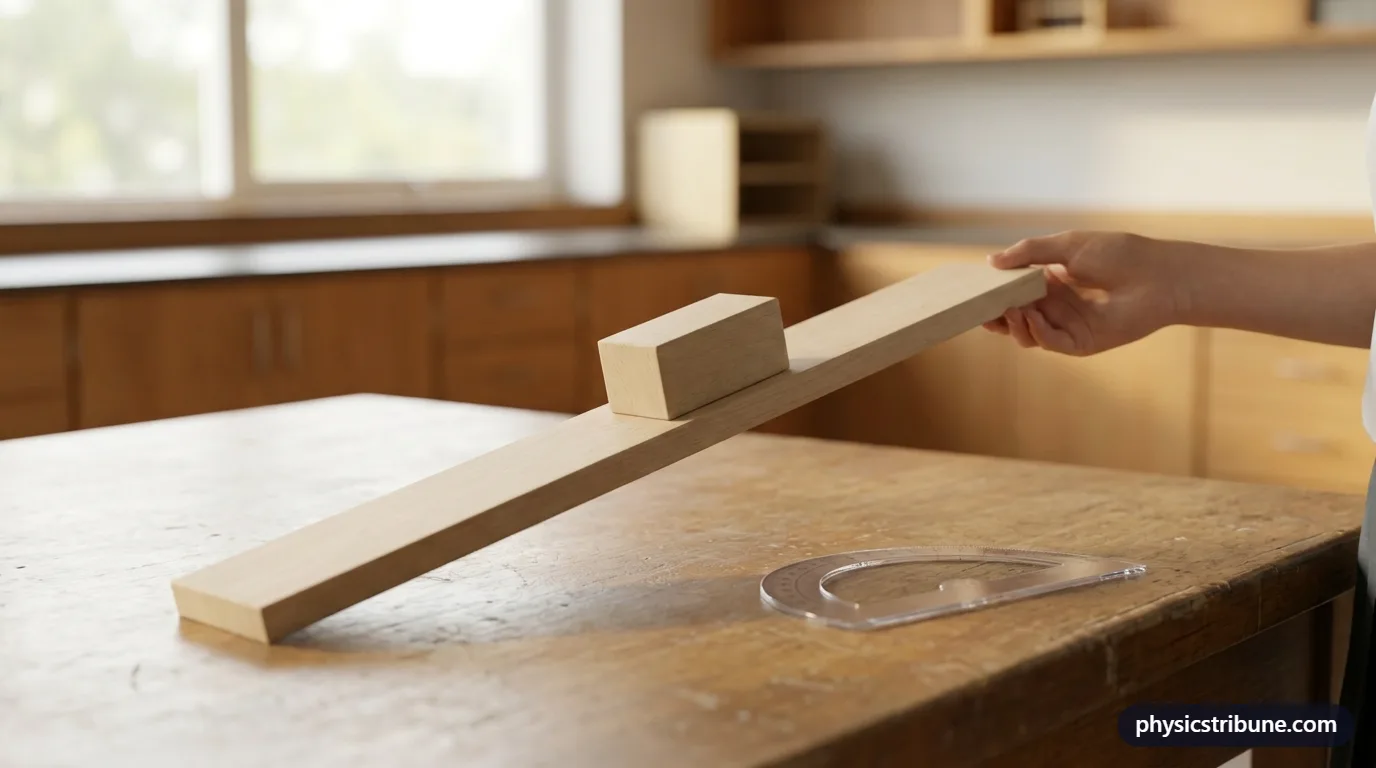
Physics: Friction also holds still things in place. It keeps a book from sliding off a slightly tilted desk.
Myth: Friction is always bad.
Physics: We need friction to walk, hold things and stop a bike. It only becomes a problem when it wastes energy or wears parts out.
Key Facts
- Friction is a force that slows things when surfaces rub together.
- Friction always pushes against the direction something is moving.
- Rough surfaces make more friction than smooth or slippery ones.
- Friction turns some motion energy into heat.
- Wheels, oil and smooth shapes help make friction smaller.
Quick Quiz: How Well Do You Know Friction for Kids?
5 questions. Tap an answer to check it.
Which way does friction push on a sliding box?
Friction always pushes against the motion.
Which surface has the most friction?
Sandpaper has big rough bumps that catch on things.
What happens to your hands when you rub them fast?
Friction turns motion energy into heat.
Which of these reduces friction?
Oil makes a slippery layer between moving parts.
Why do your shoes need friction?
Grip from friction lets you walk and run safely.
Frequently Asked Questions
What is friction in simple words?
Friction is a force that tries to stop two surfaces from sliding past each other. It happens when tiny bumps on the surfaces catch and rub. Friction always pushes the opposite way from the motion. That is why a ball rolling across the grass slows down and finally stops.
What are 3 examples of friction?
Your sneakers gripping the playground is one example. A second example is bike brakes squeezing the wheel to slow you down. A third is rubbing your hands together on a cold day to warm them. Friction is also at work when an eraser rubs away pencil marks.
Is friction good or bad?
Friction is both. It is good when it helps you walk, hold a cup or stop your bike. It is bad when it wears out shoes, tires and machine parts, or wastes energy as heat. People add friction with rubber grips and reduce it with wheels and oil.
Why is ice so slippery?
Ice is very smooth, and a thin, wet, slippery layer forms on its top. That layer acts a bit like oil between your shoes and the ice. With so little friction, your feet slide instead of gripping. Salt and sand are spread on icy sidewalks to add friction back.
Does friction make heat?
Yes. When two surfaces rub, part of their motion energy turns into heat. You can feel this when you rub your hands together quickly. Brakes, saws and drills all get warm from friction. Long ago, people even used friction between sticks to start campfires.
How can you reduce friction?
You can add wheels so things roll instead of sliding. You can spread oil, grease or soap to make a slippery layer. You can also polish surfaces to make them smoother. Giving an object a sleek shape helps it move through air or water with less drag.