At a Glance
A wave is a moving disturbance that carries energy from place to place. Water, air or a rope just wiggles back and forth, while the energy travels on. Sound, light and ocean ripples are all kinds of waves.
- What it is
- A ripple that carries energy
- What moves along
- Energy, not the water or air itself
- Top of a wave
- Crest
- Bottom of a wave
- Trough
- Fastest wave
- Light
- Grade level
- Grades 3 to 5
On this page
What Is a Wave?
Drop a pebble into a calm pond. Rings of ripples spread out in every direction. Those ripples are waves.
Now picture a toy duck floating on the pond. When a ripple passes, the duck bobs up and down. But it does not ride away with the ripple. It stays in about the same spot.
That shows the big secret of waves. A wave carries energy from one place to another. The water itself mostly stays put. It just moves up and down as the energy passes through. Learn more about energy in energy for kids.
What Are the Parts of a Wave?
Many waves look like a wiggly line of hills and valleys. Each part has a name.
- Crest: the top of a hill.
- Trough: the bottom of a valley. Say it like "troff."
- Wavelength: the distance from one crest to the next crest.
- Amplitude: how tall the wave is from the middle to the crest. Big waves carry more energy.
- Frequency: how many waves pass by each second.
A loud sound has a big amplitude. A high, squeaky sound has a high frequency. Grown-ups can read about the parts of a wave in more detail.
What Are the Different Types of Waves?
Waves can wiggle in two main ways.
Up-and-down waves: Tie a rope to a fence and flick your end up and down. A wave runs along the rope. The rope moves up and down, but the wave moves forward. Scientists call these transverse waves. Water ripples and light behave like this.
Squeeze-and-stretch waves: Push one end of a long spring toy forward and back. Bunched-up coils travel down the spring. Here the coils move back and forth in the same direction as the wave. Scientists call these longitudinal waves. Sound travels this way.
Some waves need something to travel through, like water, air or rock. Other waves, like light, can even cross empty space. See all the kinds in types of waves.
Where Do We Find Waves?
- Water waves: Wind blowing over the sea makes ocean waves. Surfers ride their energy.
- Sound waves: When you talk, your voice makes the air squeeze and stretch. Those waves reach other ears. Read sound for kids to learn more.
- Light waves: Light is a wave that zooms through space. It lets you see. Visit light for kids.
- Radio waves: Radios, phones and Wi-Fi send messages with invisible waves. Read about radio waves.
- Earthquake waves: When rocks underground slip, waves shake the ground. Scientists call them seismic waves.
- Stadium waves: Fans stand up and sit down in turn. The wave races around the stadium, but each fan stays in their seat!
| Wave | Travels through | Speed (about) |
|---|---|---|
| Gentle ripple on a pond | Water | Less than 1 meter per second |
| Sound | Air | 343 meters per second |
| Tsunami in the deep ocean | Water | 200 meters per second |
| Sound | Water | 1,500 meters per second |
| Sound | Steel | 5,900 meters per second |
| Light | Empty space | 299,792,458 meters per second |
| Source: Speed of light from NIST CODATA 2022 · tsunami speed computed with v = √(g·d) for water 4,000 m deep · other speeds are typical values (sound in air at 20 °C) · Retrieved October 2026 | ||
Can You Try Wave Experiments at Home?
Yes! These activities are easy and safe. Ask a grown-up to help, and keep towels nearby for water.
Make waves in a pan:
- Fill a baking pan with water about two fingers deep.
- Float a small piece of cork or a bottle cap in the middle.
- Gently tap the water at one end with your finger.
- Watch the floater bob up and down as ripples pass.
- Notice that it does not travel to the other end.
Send a wave down a spring toy:
- Stretch a coiled spring toy along a smooth floor with a friend.
- Quickly flick your end to the side. Watch the side-to-side wave travel.
- Now push your end forward fast. Watch a bunch of coils race along.
You just made both main kinds of waves! Older students can try our waves worksheets.

What Are Some Fun Facts About Waves?
- Light could travel around Earth more than 7 times in one second.
- Sound cannot travel through empty space, so space is silent. Find out why in can sound travel in space.
- An echo is a sound wave bouncing back from a wall or a cliff.
- Dolphins and bats use sound waves to find food in the dark.
- A tsunami in the deep ocean can move almost as fast as a jet plane.
Sound and light are both waves, but they are very different. Compare them in light and sound for kids.
Common Misconceptions
Myth: Ocean waves carry water all the way across the sea.
Physics: The water mostly moves in small circles and stays in about the same place. Only the energy travels across the sea.
Myth: All waves need water or air to travel.
Physics: Sound and water waves need something to travel through. Light and radio waves can cross empty space.
Key Facts
- A wave carries energy from one place to another.
- The water or air mostly stays in place while the energy moves on.
- The top of a wave is the crest, and the bottom is the trough.
- Sound, light, water ripples and earthquakes all make waves.
- Light is the fastest wave, and it can travel through empty space.
Quick Quiz: How Well Do You Know Waves for Kids?
5 questions. Tap an answer to check it.
What does a wave carry from place to place?
A wave carries energy, while the water or air mostly stays in place.
What is the top of a wave called?
The crest is the highest point of a wave.
Which wave can travel through empty space?
Light does not need anything to travel through, so it can cross space.
What kind of wave is sound?
Sound squeezes and stretches the air, so it is a longitudinal wave.
A cork floats on a pond as ripples pass. What does it do?
The ripple's energy passes by, but the water and the cork mostly stay in place.
Frequently Asked Questions
What is a wave for kids?
A wave is a ripple or wiggle that carries energy from one place to another. Pond ripples, sound from a speaker and light from a lamp are all waves. The water, air or rope moves back and forth. But it mostly stays where it is. It is the energy that travels along.
What are the 2 main types of waves?
The two main types are transverse and longitudinal waves. In a transverse wave, things move up and down as the wave moves forward. Think of a flicked rope. In a longitudinal wave, things squeeze and stretch along the direction the wave travels. Think of a pushed spring toy. Sound is a longitudinal wave.
What is the highest point of a wave called?
The highest point of a wave is called the crest. The lowest point is called the trough. The distance from one crest to the next crest is the wavelength. How far the crest rises above the middle level is called the amplitude. Taller waves with bigger amplitudes carry more energy.
What makes ocean waves?
Most ocean waves are made by wind. As wind blows across the water, it pushes on the surface and makes small ripples. Strong, long-lasting winds over a big sea build those ripples into large waves. Earthquakes under the sea can make giant waves called tsunamis.
Can waves travel through space?
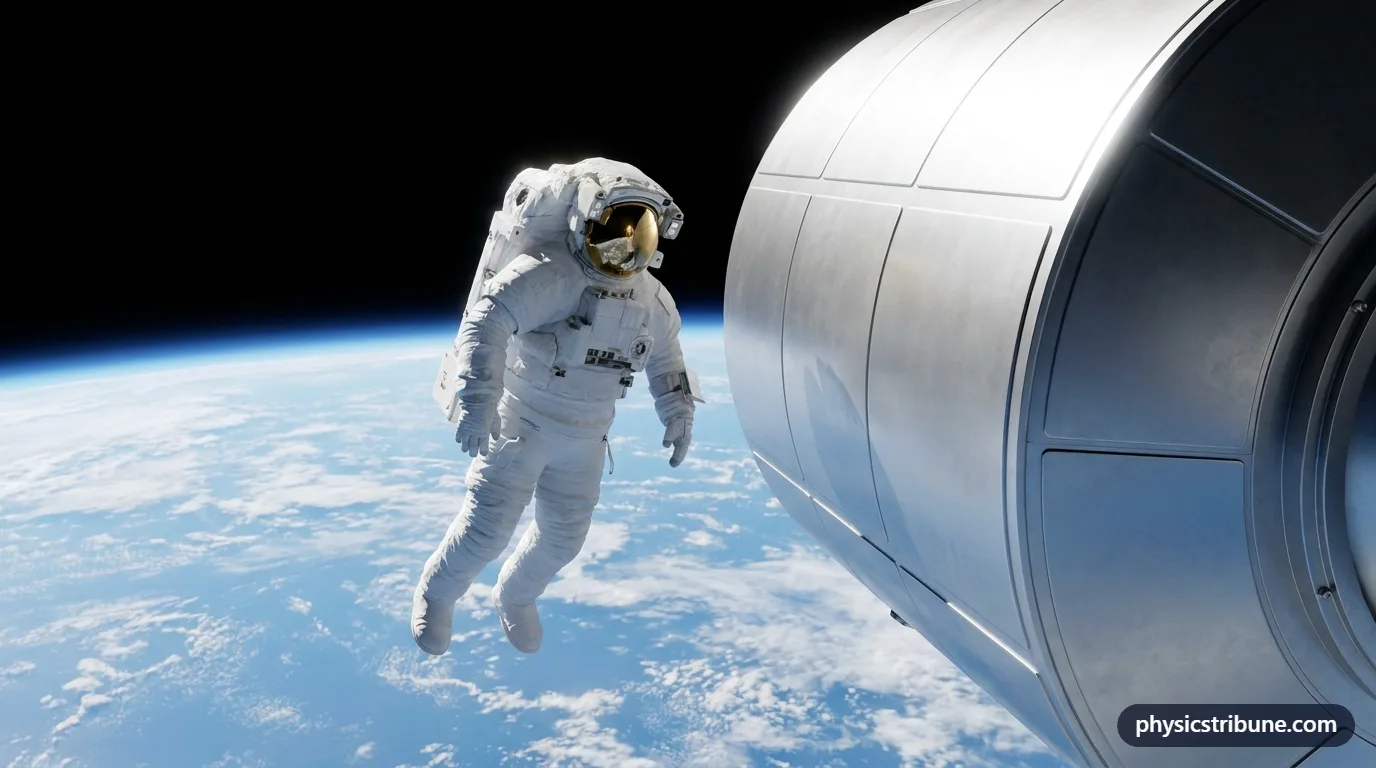
Some can and some cannot. Light and radio waves can travel through empty space, which is how sunlight reaches Earth. Sound waves and water waves cannot. They need something to move through, like air, water or rock. That is why astronauts on a spacewalk talk by radio.
Why do waves carry energy?
A wave starts when something gives energy to water, air or a rope. A pebble splash or a drum hit can do it. Each bit passes the push to its neighbor, and that neighbor passes it on again. The energy hops along from bit to bit. That is how a wave can carry energy far away without carrying the water along.