At a Glance
Air pressure is the push of air on things around it. Air is made of tiny moving bits called molecules. They bump into every surface and press on it. Air pressure is strongest near the ground. It gets weaker as you go higher up.
- What it is
- The push of air on everything
- Made by
- Tiny air bits bumping into things
- Strongest
- Near the ground, at sea level
- Weaker
- High on mountains and in planes
- Measured with
- A barometer
On this page
What Is Air Pressure?
Air looks like nothing at all. But air is matter, just like water and rocks. It is made of tiny bits called molecules. They are far too small to see.
These air molecules zoom around very fast. They crash into walls, trees and you. Each crash is a tiny push. Billions of tiny pushes add up to one steady push. That push is called air pressure.
Why Don't We Feel Air Pressing on Us?
Air presses on you very hard. Think of a patch of skin the size of your fingertip. Air pushes on it about as hard as a 1 kg bag of sugar!
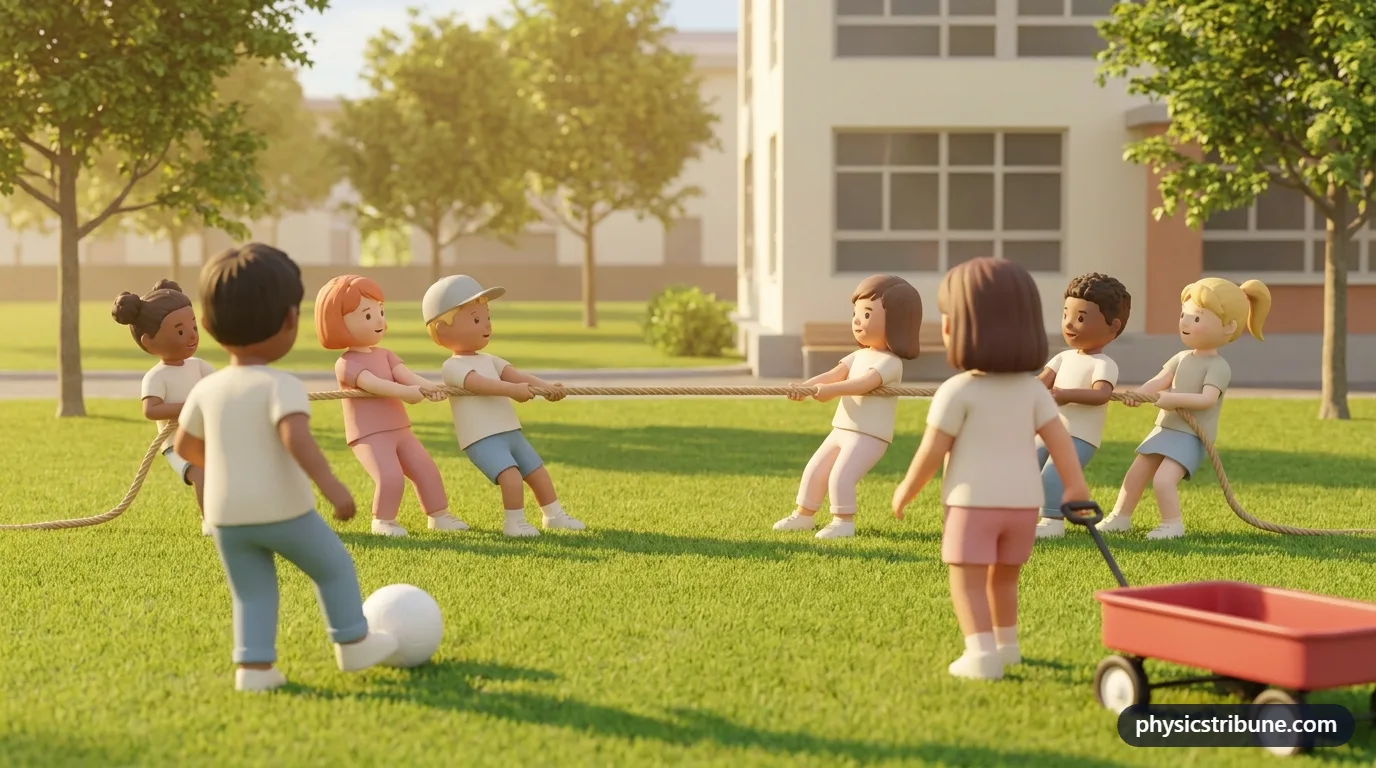
So why are you not squashed? Air pushes on you from every side at once. It pushes from the front and the back, from above and below. Air and water inside your body push back out, too. All those pushes balance, so you feel nothing.
Is Air Pressure the Same Everywhere?
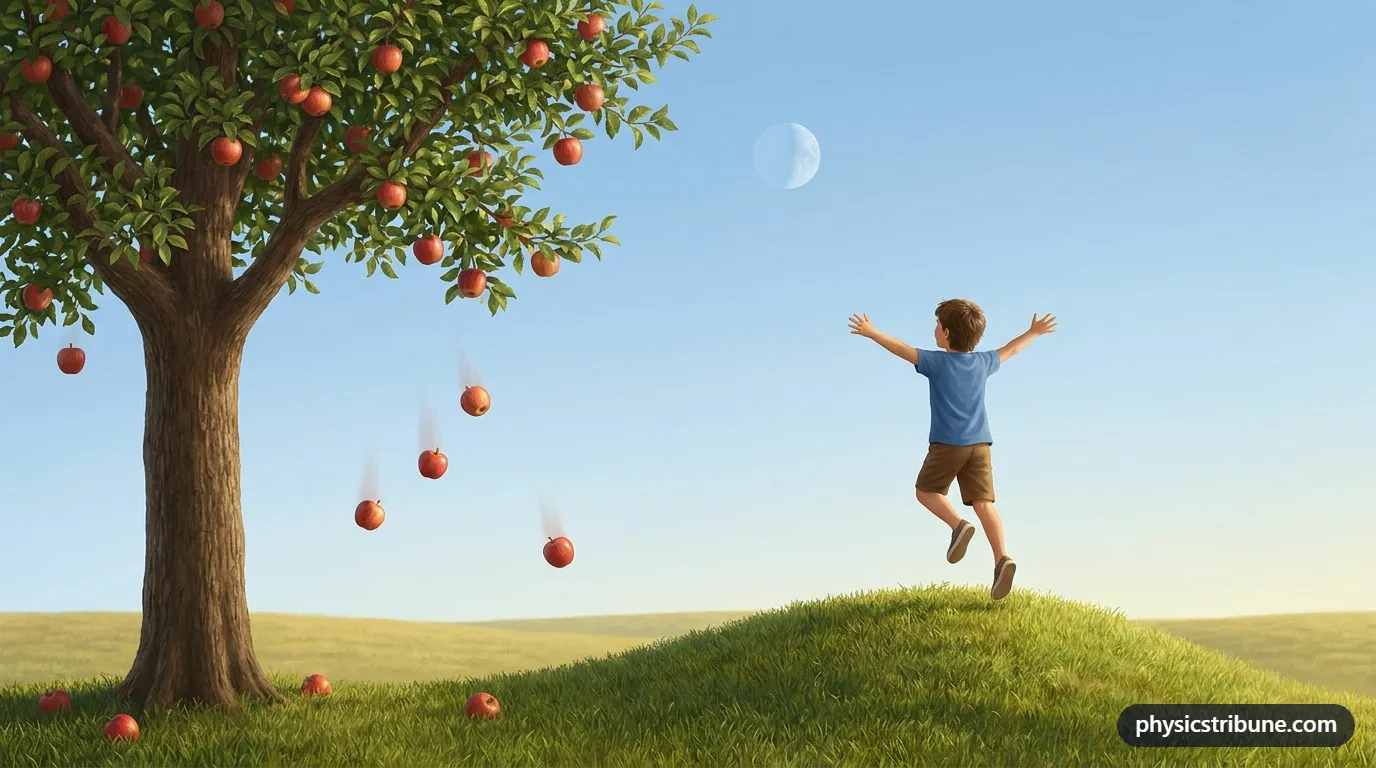
No. Near the ground there is a deep pile of air above you. All that air is pulled down by gravity. It presses down hard.
High on a mountain, there is less air above you. So the air pressure is lower. That is why your ears pop in a fast elevator or on a plane. The air inside your ears is pushing to match the air outside.
The table shows how much air pressure is left as you go up.
| Where you are | Height above the sea | Air pressure left |
|---|---|---|
| Beach | 0 m | All of it (100%) |
| A mile-high city | 1,600 m | About 82% |
| High mountain town | 3,000 m | About 69% |
| Snowy mountain peak | 5,500 m | About half (50%) |
| Top of the tallest mountain | 8,849 m | About one third (31%) |
| Where big jets fly | 11,000 m | About one fifth (22%) |
| Source: Computed with the standard atmosphere model; real weather moves these values up or down a little · Retrieved October 2026 | ||
How Does Air Pressure Help Us Every Day?
- Drinking straws: When you sip, you lower the air pressure inside the straw. The outside air pushes the drink up to your mouth.
- Suction cups: Pressing a cup squeezes air out. Outside air then holds the cup tight to the wall.
- Bike tires and balloons: Air squeezed inside pushes out on the rubber. That keeps them firm and round.
- Weather: High air pressure often brings clear skies. Low air pressure often brings clouds and rain.
Scientists measure air pressure with a tool called a barometer. Weather reporters use it to help guess tomorrow's weather.
Try It at Home: Can Air Hold Up Water?
You need a plastic cup, water and a stiff card, like an index card. Do this over a sink or outside. Ask an adult to help.
- Fill the cup all the way to the top with water.
- Lay the card flat on top. Make sure it touches the water everywhere.
- Hold the card in place with your flat hand.
- Slowly turn the cup upside down over the sink.
- Carefully take your hand away from the card.
The card should stay on, and the water stays in! Air pushes up on the card harder than the water pushes down. Try it again with a half-full cup and see what changes.

What Are Some Fun Facts About Air Pressure?
- An empty plastic bottle closed on a mountaintop gets squished on the way back down.
- On the tallest mountain tops, air pressure is only about one third as strong.
- Airplanes pump extra air into the cabin so passengers can breathe easily.
- A vacuum is a space with almost no air. So it has almost no air pressure.
- Wind blows because air moves from high pressure to low pressure.
Common Misconceptions
Myth: Air is empty and has no weight.
Physics: Air is matter. It has weight, and that weight presses down on us.
Myth: Air only pushes down.
Physics: Air pushes in every direction: up, down and sideways. That is how it holds up the card in the cup trick.
Key Facts
- Air pressure is the push of air on everything it touches.
- Air is made of tiny moving bits called molecules.
- Air pushes on you from every side, so you do not feel it.
- Air pressure gets lower as you go higher up.
- A barometer is the tool that measures air pressure.
Quick Quiz: How Well Do You Know Air Pressure for Kids?
5 questions. Tap an answer to check it.
What makes air pressure?
Moving air molecules push on every surface they hit.
Where is air pressure lowest?
There is less air above you high up, so it pushes less.
What tool measures air pressure?
A barometer shows how hard the air is pushing.
Why don't we get squashed by air?
The pushes balance out, so we feel nothing.
What pushes a drink up a straw?
Outside air presses the drink into the low-pressure straw.
Frequently Asked Questions
What is air pressure in simple words?
Air pressure is how hard air pushes on things. Air is made of tiny bits that are always moving. They bump into everything around them. All those little bumps add up to a big, steady push. We call that push air pressure.
Why do my ears pop on an airplane?
Your ears have a little pocket of air inside. When a plane goes up or down, the cabin air pressure changes. The air in your ears has to catch up. When it does, you hear a pop. Yawning or chewing gum can help it happen sooner.
How does a straw use air pressure?
When you suck on a straw, you take air out of it. Now the air pressure inside the straw is lower. The air outside still presses down on your drink. That push forces the drink up the straw and into your mouth.
Is air pressure higher on a mountain or at the beach?
Air pressure is higher at the beach. There is more air stacked above you down low. On a mountain, less air is above you. So the push is weaker. On the tallest peaks, it is only about one third as strong.
What tool measures air pressure?
A barometer measures air pressure. Some have a needle that moves on a dial. Others are digital. Weather scientists watch barometers closely. Falling air pressure can mean a storm is coming. Rising air pressure often means fair weather.
Can air pressure crush things?
Yes, when the push is not balanced. Close an empty plastic bottle high on a mountain. Bring it down low, and the outside air presses harder. The bottle gets squished! Air inside and outside must push equally to keep a shape.