Kinetic Energy Calculator
- Convert to SI: m = 1,200 kg, v = 25 m/s
- KE = ½ × m × v² = ½ × 1,200 × 25²
- KE = ½ × 1,200 × 625 = 375,000 J

At a Glance
Kinetic energy is calculated with KE = 1/2 m v^2, using mass in kilograms and speed in meters per second to get joules. To find speed instead, use v = sqrt(2 KE / m); to find mass, use m = 2 KE / v^2.
- Formula
- KE = ½mv²
- Solves for
- Kinetic energy, mass or speed
- Mass units
- kg, g, lb, metric ton
- Speed units
- m/s, km/h, mph, ft/s
- Energy units
- J, kJ, MJ, cal, kcal, kWh, ft·lb
On this page
- Kinetic energy calculator: solve for KE, mass or speed
- How to Use the Kinetic Energy Calculator
- What Is the Kinetic Energy Formula?
- How Do You Calculate Kinetic Energy by Hand?
- How Do You Convert Kinetic Energy to Foot-Pounds, Calories or kWh?
- How Much Kinetic Energy Do Everyday Objects Have?
- How Do You Find Speed or Mass From Kinetic Energy?
- When Do You Need a Relativistic Kinetic Energy Calculator?
- Related Energy and Motion Calculators
- Key Facts
- FAQ
How to Use the Kinetic Energy Calculator
Choose what you want to find: kinetic energy, mass or speed. Type the two values you know, and set each unit from its dropdown. The answer updates as you type and appears in your chosen energy, mass or speed unit, followed by the full working: the conversion to SI units, the formula, the substitution and the result.
You can mix units freely. Enter a mass in pounds and a speed in kilometers per hour, then ask for the answer in kilocalories; the tool converts everything to kilograms and meters per second before it solves. The steps make it easy to copy the method into homework or check a hand calculation.
What Is the Kinetic Energy Formula?
The kinetic energy formula in physics is
The formula describes the energy of an object moving in a straight line or along a path, often called translational kinetic energy. For a full explanation of what kinetic energy is and where it shows up, read our guide to kinetic energy. The energy formulas sheet collects it with the related equations for work, power and potential energy.
The calculator uses this formula and its two rearranged forms, with every value converted to SI units first.
| Symbol | Quantity | SI unit |
|---|---|---|
| kinetic energy | joule (J) | |
| mass | kilogram (kg) | |
| speed | meter per second (m/s) |
Rearranged to find another variable:
Valid for: non-relativistic speeds (v << c).
How Do You Calculate Kinetic Energy by Hand?
Calculating kinetic energy takes four short steps:
- Convert to SI units. Mass goes in kilograms and speed in meters per second. Divide km/h by 3.6, multiply mph by 0.44704, and multiply pounds by 0.45359237.
- Square the speed. Multiply the speed by itself. Do this before anything else so you do not accidentally square the mass too.
- Multiply by the mass.
- Divide by 2. The result is the kinetic energy in joules.
For a 0.43 kg soccer ball kicked at 25 m/s: 25 squared is 625, times 0.43 gives 268.75, and half of that is about 134.4 J. Our worked example below runs the same method for a highway SUV.
Example 1 An SUV on the highway
A 1,450 kg SUV travels at 90 km/h, which is 25 m/s. What is its kinetic energy?
- Given:
- mass:
- speed:
- mass:
- Formula:
- Substitute:
- Answer:
The brakes have to turn all of this energy into heat to bring the SUV to a stop.
How Do You Convert Kinetic Energy to Foot-Pounds, Calories or kWh?
Joules are the SI unit, but other fields use their own. The calculator converts automatically with these exact factors:
- Foot-pounds (ft·lb): divide joules by 1.3558179483. Common in American engineering and ballistics.
- Calories (cal): divide joules by 4.184. For food Calories, which are kilocalories, divide by 4,184.
- Kilowatt-hours (kWh): divide joules by 3,600,000. Handy for comparing a moving vehicle with an electricity bill.
- Kilojoules and megajoules: divide by 1,000 or 1,000,000 to keep large numbers readable.
The soccer ball above carries about 99.1 ft·lb, or 0.0321 kcal. Kinetic energy that feels dramatic often looks tiny in food units, which shows how much energy food holds compared with everyday motion.
How Much Kinetic Energy Do Everyday Objects Have?
The table lists typical kinetic energies from a falling raindrop to a cruising airliner. Notice how fast the numbers climb with speed: a tennis serve, at only 57 grams, carries more energy than a walking adult because it moves about 40 times faster.
Vehicles dominate because they combine large mass with high speed. A family car at highway speed has roughly five times the kinetic energy of a compact car in town, even though it is only a little heavier. The graph shows why: kinetic energy follows a parabola as speed rises.
| Object | Mass (kg) | Speed in m/s (mph) | Kinetic energy (J) | Kinetic energy (ft·lb) |
|---|---|---|---|---|
| Raindrop, 2 mm across | 0.0000042 | 6.5 (14.5) | 8.87 × 10⁻⁵ | 6.54 × 10⁻⁵ |
| Walking adult | 70 | 1.4 (3.1) | 68.6 | 50.6 |
| Tennis serve | 0.057 | 55 (123.0) | 86.2 | 63.6 |
| Pitched baseball | 0.145 | 40 (89.5) | 116 | 85.6 |
| Kicked soccer ball | 0.43 | 25 (55.9) | 134 | 99.1 |
| Jogger | 65 | 3 (6.7) | 293 | 216 |
| Cyclist with bike | 85 | 7 (15.7) | 2,080 | 1,540 |
| Sprinter at top speed | 80 | 11 (24.6) | 4,840 | 3,570 |
| Compact car in town (50 km/h) | 1,200 | 13.9 (31.1) | 116,000 | 85,400 |
| Family car on the highway (100 km/h) | 1,500 | 27.8 (62.1) | 579,000 | 427,000 |
| Loaded semi truck (100 km/h) | 36,000 | 27.8 (62.1) | 1.39 × 10⁷ | 1.02 × 10⁷ |
| Narrow-body airliner at cruise | 70,000 | 250 (559.2) | 2.19 × 10⁹ | 1.61 × 10⁹ |
| Source: Computed with KE = ½mv²; masses and speeds are typical values · Retrieved October 2026 | ||||

How Do You Find Speed or Mass From Kinetic Energy?
To find speed, double the kinetic energy, divide by the mass and take the square root. To find mass, double the kinetic energy and divide by the speed squared. Both still need SI units on the way in.
A quick check helps catch mistakes. If you solve for speed and get something faster than sound for a thrown ball, or a mass of several tons for a person on a scooter, an input unit is probably wrong. The worked examples below show each rearrangement with realistic numbers.
Example 2 How fast is the hockey puck?
A 0.17 kg hockey puck leaves the stick with 85 J of kinetic energy. How fast is it moving?
- Given:
- kinetic energy:
- mass:
- kinetic energy:
- Formula:
- Substitute:
- Answer:
Multiply the result by 2.237 to see the same speed in miles per hour.
Example 3 Mass of an e-scooter and rider
An electric scooter and its rider move at 8 m/s with 2,880 J of kinetic energy. What is their combined mass?
- Given:
- kinetic energy:
- speed:
- kinetic energy:
- Formula:
- Substitute:
- Answer:
The total includes both the rider and the scooter, since they move together.
When Do You Need a Relativistic Kinetic Energy Calculator?
The ½mv² formula assumes the object moves far slower than light. That covers cars, sports, planes and even spacecraft, where the error is far smaller than any rounding in the inputs. Near light speed, such as for particles in an accelerator, the true kinetic energy is larger than ½mv² and rises without limit.
As a rule of thumb, below about 10 percent of light speed the everyday formula is within roughly one percent. For faster particles, work with mass-energy instead; our E = mc² calculator handles the energy locked in mass itself.
Key Facts
- Kinetic energy is calculated with KE = ½mv², using kilograms and meters per second to get joules.
- Speed is squared, so doubling it multiplies kinetic energy by four.
- To find speed from kinetic energy, use v = √(2KE/m); to find mass, use m = 2KE/v².
- One foot-pound equals 1.3558179483 J, and one kilocalorie equals 4,184 J.
- Always convert km/h, mph and pounds to SI units before using the formula.
- The ½mv² formula is accurate for everyday speeds but underestimates kinetic energy near the speed of light.
Frequently Asked Questions
How do you calculate kinetic energy?
Convert the mass to kilograms and the speed to meters per second. Square the speed, multiply by the mass, then divide by two. The result is kinetic energy in joules. For example, a 0.43 kg ball at 25 m/s gives 625 times 0.43 divided by 2, or about 134 J. The calculator above does the conversions and shows each of these steps for you.
What is the formula for kinetic energy?
The formula is KE = ½mv², where m is mass in kilograms and v is speed in meters per second. It gives energy in joules. The same relationship can be rearranged to find speed, v = √(2KE/m), or mass, m = 2KE/v². It applies to any object moving well below the speed of light, which includes almost everything in daily life.
How do I calculate kinetic energy in foot-pounds?
Work out the kinetic energy in joules first, then divide by 1.3558179483 to get foot-pounds. If your mass is in pounds and speed in feet per second, convert them to kilograms and meters per second before using the formula, or simply choose lb, ft/s and ft·lb in the calculator dropdowns. The tool handles every conversion and lists the steps.
Can I use this calculator for a bullet or an arrow?
Yes, as long as you enter the projectile's mass and speed. Projectile masses are often listed in grains; divide grains by 15.432 to get grams, then select grams in the mass dropdown. Choose ft/s or m/s for speed and ft·lb or J for the answer. The result is the energy at the speed you entered, which drops as air resistance slows the projectile.
Why does doubling the speed quadruple the kinetic energy?
Because speed is squared in the formula. If the speed goes from v to 2v, the squared term becomes 4v², so the energy becomes four times larger. Tripling the speed gives nine times the energy. This is why a small increase in driving speed adds a lot of energy that the brakes, or a crash, must absorb.
What units should I use in the kinetic energy formula?
Use kilograms for mass and meters per second for speed. With those SI units the formula gives joules directly, with no extra factors. If you plug in grams, pounds, km/h or mph without converting, the answer will be wrong by a large factor. The calculator accepts all of these units and converts them to SI before solving.
Does this calculator handle relativistic kinetic energy?
No. It uses the classical formula ½mv², which is accurate for everyday speeds and even for spacecraft. For particles moving at a large fraction of the speed of light, the true kinetic energy is greater than ½mv² and needs the relativistic formula. Below about 10 percent of light speed, the difference stays within roughly one percent.
Keep Exploring
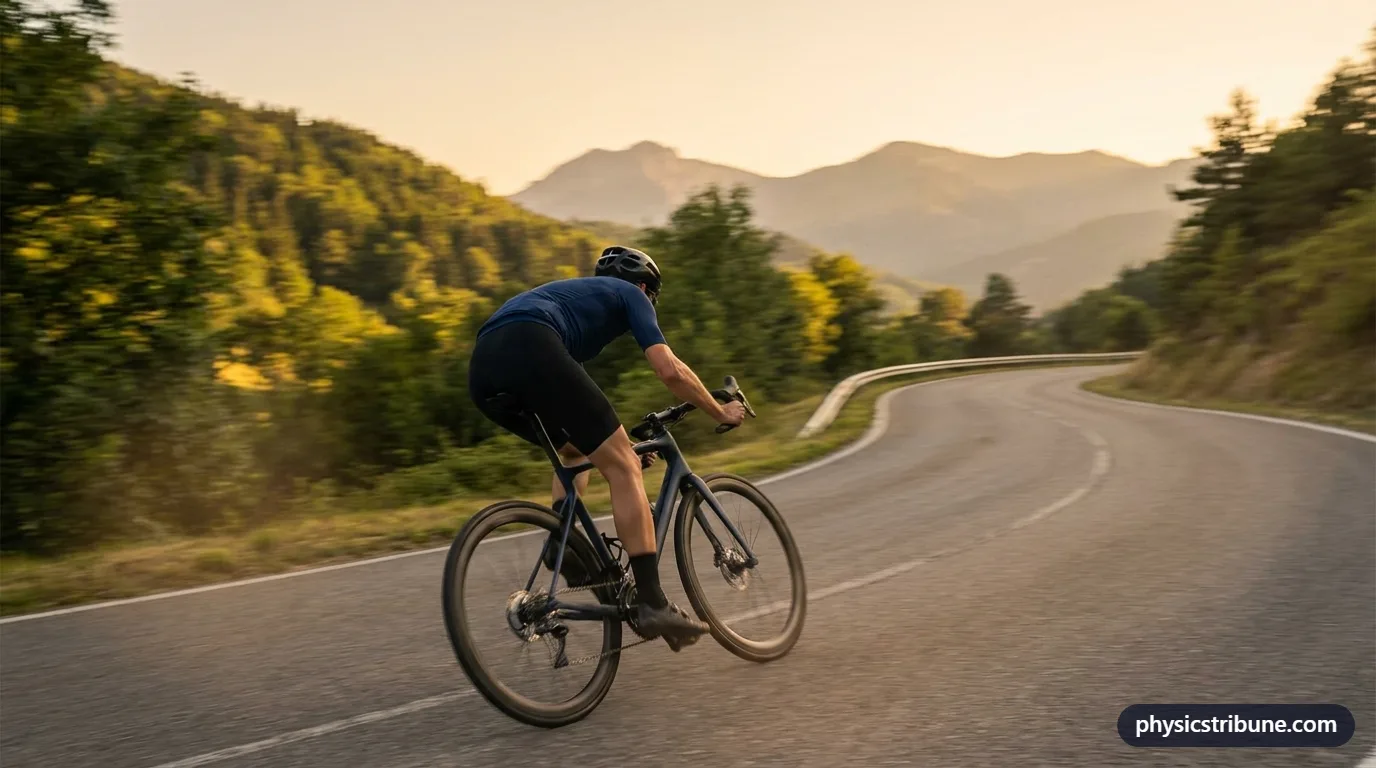 energyKinetic Energy
 calculatorsPotential Energy Calculator
 calculatorsWork Calculator (Physics)
 calculatorsMomentum Calculator
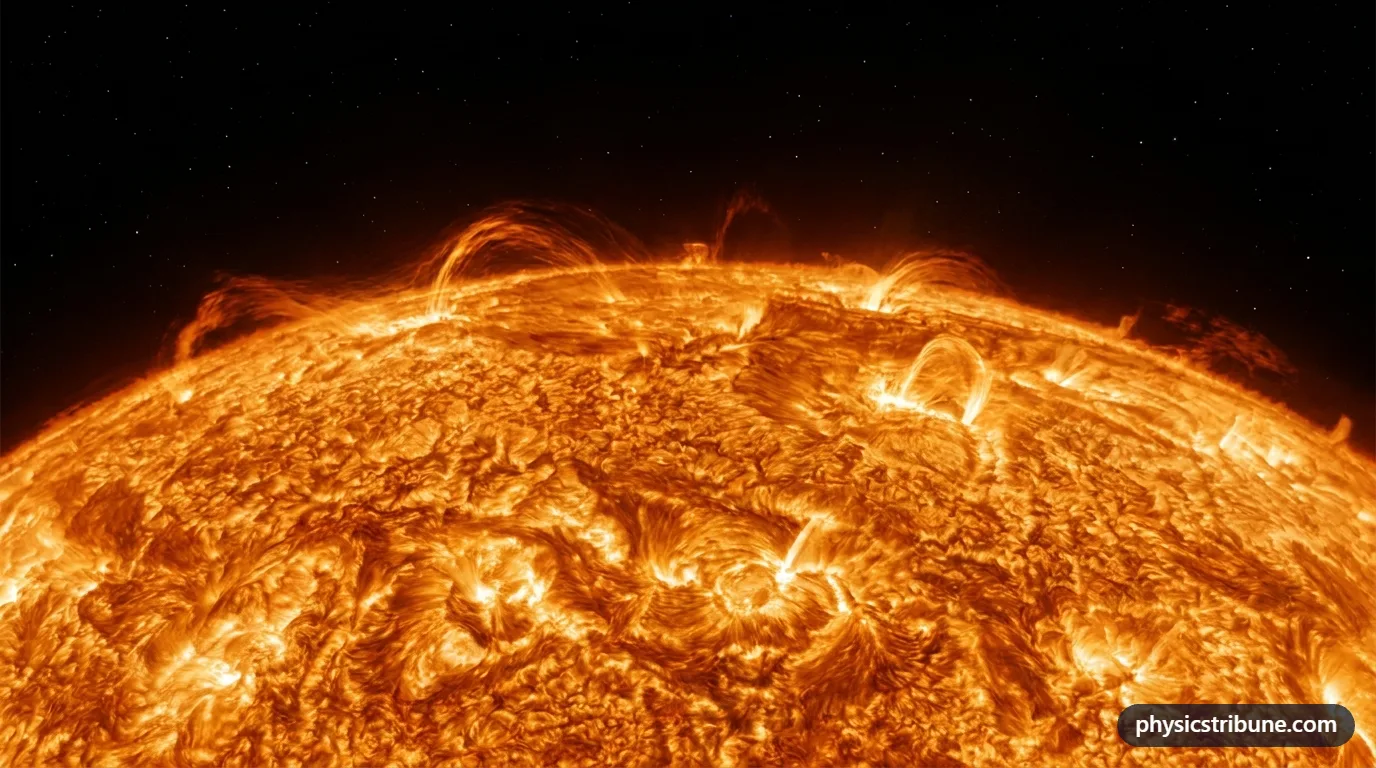 calculatorsE = mc² Calculator (mass-energy)
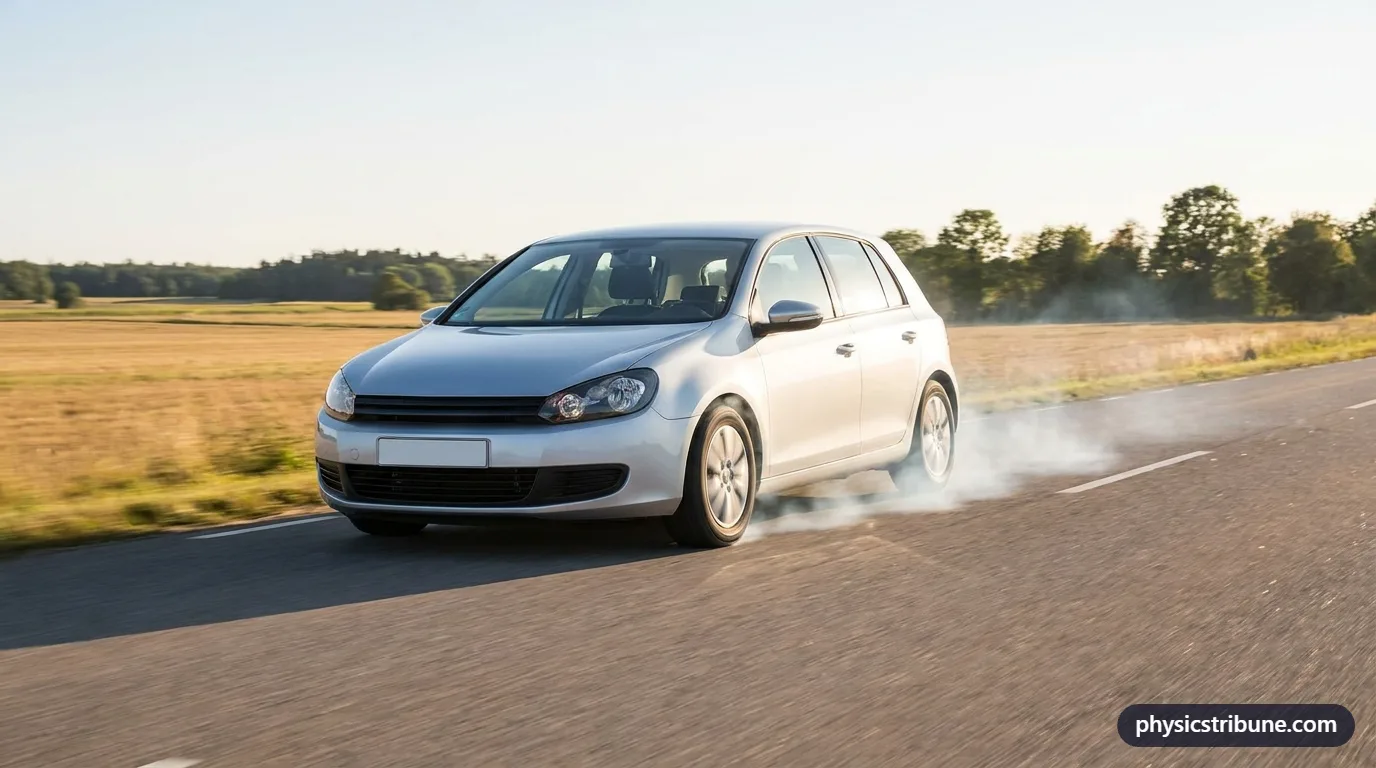 energyWork-Energy Theorem
 compareKinetic vs Potential Energy
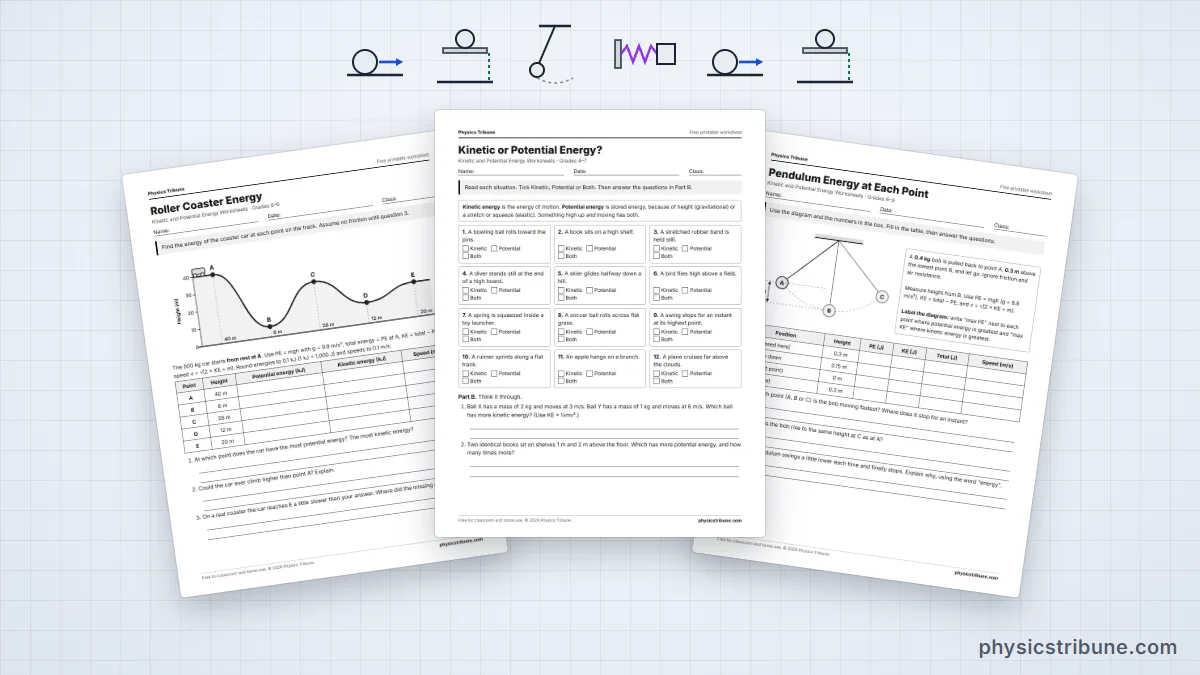 worksheetsKinetic and Potential Energy Worksheets
 formulasWork, Energy and Power Formulas